** Essential Maintenance Tips to Maintain Your PDR Tools in Top Shape **.
Introduction
In the fast-paced world of automobile body repair service, Paintless Dent Repair service (PDR) stands out as a revolutionary technique. This technique not only conserves time however additionally maintains the vehicle's original paint finish. Nevertheless, to make certain the efficiency and longevity of your PDR tools, appropriate upkeep is important. Much like any professional trade, having the right tools is just half the fight; recognizing exactly how to look after them is equally essential. In this thorough overview, we'll check out essential maintenance tips to keep your PDR tools in top shape, enabling you to function efficiently and provide excellent results.
Understanding Paintless Dent Repair (PDR)
What is Paintless Dent Repair?
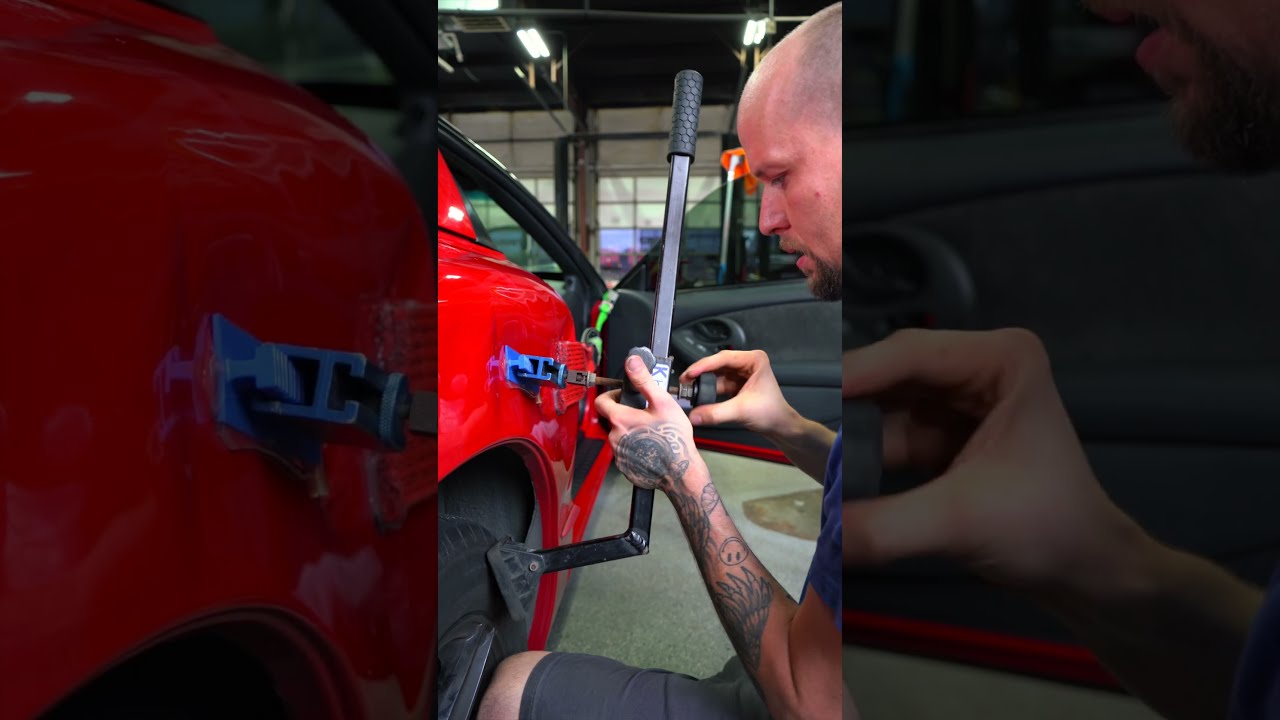
Paintless Damage Repair is an ingenious method made use of to remove damages from a vehicle's body without compromising its initial paint job. This technique includes applying pressure to the backside of the damage, permitting it to pop back right into its initial shape.
The Benefits of PDR
- Cost-effective: It typically sets you back much less than traditional dent repair work methods.
- Time-efficient: Many repair services can be completed within hours.
- Environmentally friendly: No harmful chemicals or paints are used.
Essential Upkeep Tips to Keep Your PDR Devices in Leading Shape
Maintaining your tools is essential for achieving excellence in Paintless Dent Repair Below are some functional pointers that will certainly aid you maintain your tools in optimal condition.
1. Routine Cleansing of Tools
Why Tidy Tools?
Keeping your PDR tools clean stops dirt and crud build-up, which can impact efficiency and bring about harm over time.
How to Clean Your PDR Tools
- Use a soft fabric or microfiber towel.
- Avoid severe chemicals; instead, utilize light soap and water.
- Dry extensively after cleaning.
2. Examining for Damage
Importance of Inspections
Regular assessments allow you to catch small concerns before they come to be significant troubles that might hinder your work.
What To Look For
- Cracks or bent sides on metal rods
- Signs of corrosion or corrosion
- Loose elements on glue tabs and pullers
3. Proper Storage Space Solutions
Why Storage Matters
Storing tools properly assists maintain their condition and guarantees they are easily available when needed.
Recommended Storage Practices
- Use toolboxes with compartments for organization.
- Store in a completely dry area away from direct sunlight.
- Hang devices on pegboards for easy access while stopping damage.
4. Lubrication Techniques
Keeping Devices Moving Smoothly
Proper lubrication can extend the life of relocating parts within your tools.
Types of Lubricants
- Silicone-based lubricants for metal-on-metal contact
- Light oil for hinges and joints
- Avoid heavy greases that attract dust and dirt
5. Taking care of with Care
Why Handling Is Important
How you manage your tools can have a substantial impact on their longevity.
Best Practices for Taking care of Tools
- Always bring devices by their handles.
- Avoid dropping them; it might create chips or bends.
- Be conscious when functioning near various other lorries to stay clear of unintentional damage.
6. Preserving Glue Tabs and Pullers
Importance of Quality Tabs
Glue tabs are vital elements in the PDR process; preserving them makes sure efficient repairs.
Care Tips
- Store adhesive tabs in a temperature-controlled environment.
- Replace any damaged or worn tabs immediately.
Advanced Maintenance Techniques
7. Professional Calibration Services
Regular calibration ensures that pullers run properly under various problems. Take into consideration seeking specialist solutions annually or bi-annually based on use frequency.
8. Recording Upkeep Records
Keeping track of maintenance activities can assist recognize patterns in wear and tear, allowing aggressive actions prior to a concern arises. Create a simple log for every tool with dates, maintenance done, and observations noted throughout inspections.
Common Concerns with PDR Tools
9. Rust Formation
Rust can considerably break down metal devices otherwise dealt with rapidly:
CEL diagnostics San BrunoPrevention Tips:
- Store tools properly.
- Regularly inspect for rust places and treat them promptly utilizing corrosion eliminator solutions.
10. Device Misalignment
Tools misaligned may bring about ineffective repair work:
Solution:
Regularly inspect positioning utilizing a straight side or leader versus flat surface areas before starting work.
Specialized Treatment by Device Type
11. Take Care Of Steel Rods
Metal rods develop the foundation of lots of PDR operations:
- Clean after every use using light soap solution.
- Store upright in a padded container to stop bending.
12. Glue Weapon Maintenance
Ensure constant sticky application by complying fleet repair San Mateo County with these steps:
- Clean nozzle after each use with rubbing alcohol.
- Store flat when not being used to prevent clogs.
Training Your Team on Tool Maintenance
13. Value of Training
Training team guarantees that every person recognizes just how crucial correct device maintenance is within the process:
- Conduct normal workshops focused on safety practices and tool care techniques.
- Create easy-to-follow manuals outlining everyday treatment routines for different sorts of equipment.
FAQs About Preserving PDR Tools
1. Exactly how typically should I clean my PDR tools?
Cleansing after each use is ideal; nonetheless, deep cleaning needs to be performed regular monthly relying on use intensity.2. Can I utilize any kind of lubricating substance on my metal tools?
No! Always opt for silicone-based lubricating substances appropriate for vehicle applications as opposed to home items that could leave deposit behind.3. What indicators suggest my glue tabs need replacement?
If they no longer stick appropriately or reveal noticeable wear such as splits or chips, it's time for replacements!4. Is it required to keep my devices indoors?
Yes! Keeping inside your home secures against environmental aspects like wetness, extreme temperature levels, or sunshine exposure which can harm them over time.5. Just how do I understand if my tool needs professional calibration?
If you're experiencing inconsistent results throughout repair work in spite of appropriate techniques, it may be time for calibration by specialists that concentrate on automotive devices servicing!6. What's the very best method to learn more concerning device maintenance? Several makers give detailed guides online while different industry workshops offer hands-on training sessions specifically tailored in the direction of maintaining car repair work tools!
Conclusion
Maintaining your PDR tools isn't nearly lengthening their lifespan; it has to do with enhancing performance and making certain high quality results with every damage fixed! By applying these vital upkeep pointers into your routine-- cleaning frequently, storing securely, evaluating frequently-- you're establishing on your own up for success both today and much into the future as you proceed improving this amazing craft known as Paintless Damage Repair! Remember: A well-maintained device leads not only to far better work yet also mirrors professionalism-- a crucial component driving customer satisfaction!
Ends · ZIONTNZU503